The simple act of showing one’s deeper nature is a form of personal liberation and a generous contribution to the community.
– Thomas Moore, Original Self1
Around age two, my daughter started helping out with simple household tasks. As I wiped up spills, watered the plants, and prepared dinner, she would jump in, eager to assist. According to psychologists, this milestone stems from an instinct for belonging and community participation. I felt tender appreciation for my daughter, who was reminding me how deeply rooted is our need to be of service.
As we move through life, this drive to help may shape our core relationships, our career, and our identity. Whether listening to a friend in distress or running a business, we may feel defined and contained by the things we do for others. If we get too bound up in these containers, however, our individuality can suffer.
In my teen years, while considering what to do with my life, I read John Irving’s novel The Cider House Rules. The story centers on Homer Wells, an orphan who gets on poorly with the foster families lined up for him by Dr. Wilbur Larch, the orphanage director. Exasperated, Dr. Larch decides to raise Homer as his own. There is just one condition: Homer must “be of use”. This dictum becomes a source of conflict for Homer as he comes of age, leaving the orphanage in search of adventure and self-discovery.
The Homer Wells in me, the orphan dimension of my psyche, took Dr. Larch’s pragmatic philosophy to heart. I thought that whatever I did, being useful was of paramount importance. I went to medical school driven less by vocational passion than by a stoic determination to become indispensable to society. Anything less felt risky.
As my philosophy evolved, it became apparent to me that a life structured around being useful, at least in the utilitarian sense, is no substitute for individual style, selfhood, and creativity. The challenge comes when something in our nature dictates that we go against the grain, or that we peel off and take sinuous detours through unknown landscapes.
In answering this call, we might need to loosen our compulsion to help, support, serve, fix, or rescue. This doesn’t have to mean cutting ties or quitting jobs, but it could involve being less pleasing and less predictable to those around us. We may need to embrace our eccentricities and develop a more sophisticated view on what it means to be a useful person.
Beauty in the Useless
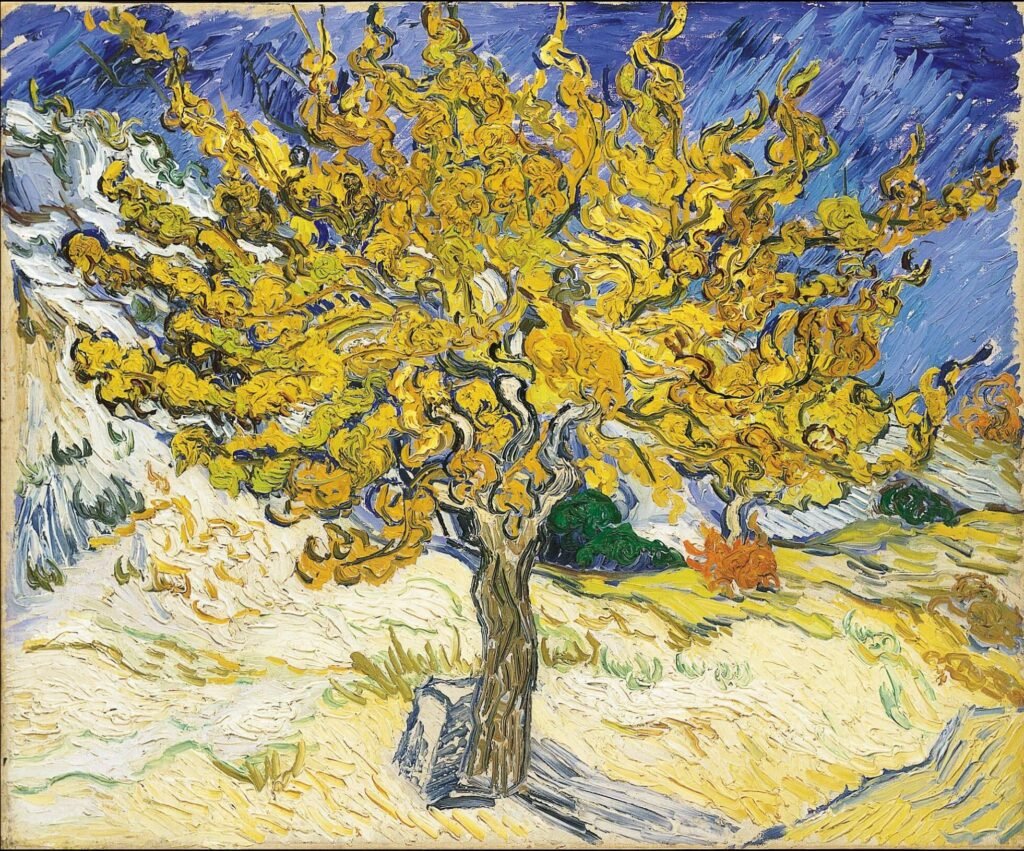
In a Chinese parable attributed to Chuang-tzu, an apprentice carpenter points out a large oak tree to his master. “Look at that big tree”, he says. “Its trunk is so gnarled and knotted that no one could cut a straight board from it. Its branches are so twisted that no one can measure them.” The master replied, “Why don’t you plant it in the village of Nothingness, so you can stroll underneath it or take a nap in its shade? No axe will ever shorten its life. If it is useless, nothing can harm it.”
Like the oak tree, each of us is twisted, deformed, and apparently useless. Life bends us out of shape. This can be hard to accept, and even if we do manage to glimpse our psychic wounds, we might choke them by rushing to ask what they are for. What is the purpose of our suffering? This is a reasonable question, but it can easily defend us against feeling the full weight of our many inferiorities and vulnerabilities.
Many of us try to outgrow our darkness and evade our fragility by learning to be of great use to society. This might be necessary for a time. Especially when young, we might really need the experience of feeling competent and productive. But we have to realise when the soul is starving and inner life is degrading.
In these difficult seasons of life, we could do well to spend some time with our gnarled oak, resting in the village of Nothingness. We may begin to notice how we have been distorted by early childhood experiences, family rules, and the reckless demands of a high-octane society. We might find ourselves questioning old ideas on what it means to contribute meaningfully in such a society.
Modern culture can be highly moralistic when it comes to the topic of contribution. The poet, actor, or painter, for example, might secretly worry that their work is pointless. This might be because the artist always poses a serious challenge to the collective belief, often unconscious, that everything we do must serve some practical function or commercial goal.
Oscar Wilde was speaking against this when he famously wrote that “all art is quite useless”.2 If we can extend this idea and see life itself as a work of art, then perhaps we will not be so obsessed with corralling everything and everyone in our lives onto the industrial production line. Can we participate in life rather than forcing it into the wrong mould?
As with art, maybe we can only be fulfilled by life when we open ourselves to its intrinsic beauty. I do not mean beauty in a superficial, sentimental sense. There is beauty in both light and dark, joy and melancholy, order and chaos. From this perspective, children are beautiful not only for their youthful exuberance and their pleasing malleability, but also for their theatrical moods and defiant sulking, sticky fingers and smeared faces, pockets stuffed with twigs and pebbles and dirt.
In turn, if our unique self is to emerge during adulthood, we may need to peek behind our sanitised, helpful persona. Deep self-expression may start with looking inside and appreciating our majestic ugliness. This raw honesty clears space for genuine aliveness. When mentoring, Howard Thurman is often quoted as advising, “Ask not what the world needs, but what makes you come alive. Because what the world needs is people who have come alive.”
There will always be practicalities to take care of in life, as well as duties we cannot part with. But, sooner or later, there will probably also be a yearning to branch off in order to discover new sources of vitality and ways to participate in the world that do not exclude the life of the soul. Perhaps, ultimately, this is the most meaningful and beautiful way we can be of use.