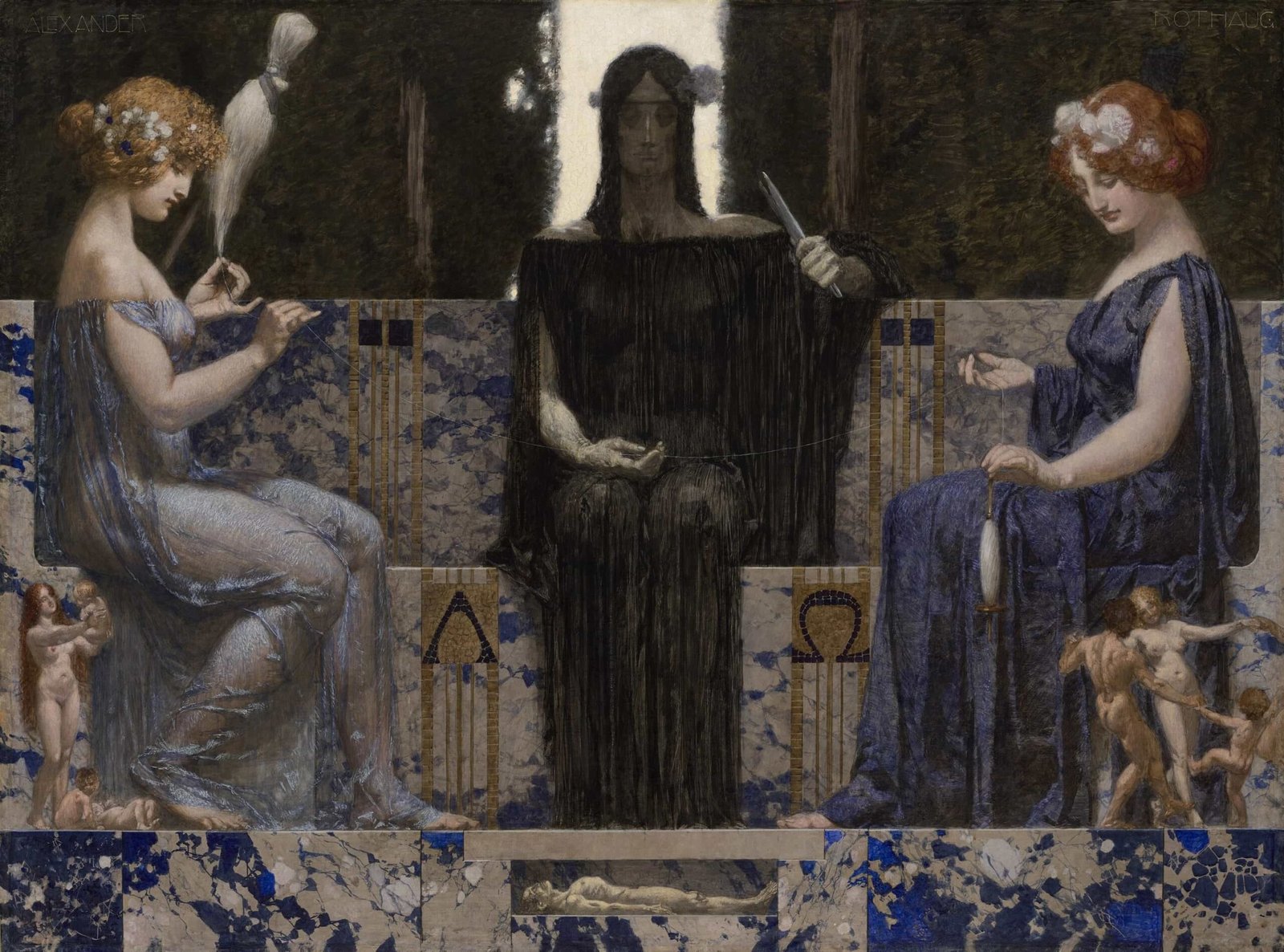
A failure throws the train off the track, closes a door: bursts the river levee. But a derailment also starts a new chain of events in an unexpected direction; the closed door means one is forced to find another way through; and the flood may change the river course and bring new life to dry land.
– James Hillman1
Many time travel stories centre on a protagonist meddling with the past, hoping to fix their present-day troubles. After going back and making some alteration, they usually succeed only in generating different troubles. Worse, the world they return to often feels disturbing and unfamiliar.
When life feels difficult, we might find ourselves longing for a time machine. We convince ourselves that certain decisions have sent us careening onto the wrong path. We imagine that if only we could go back and eliminate our foolish blunders, failed endeavours, and missed opportunities, life would not feel so impossible, so impenetrable.
After leaving school, I spent almost a decade studying medicine and working as a doctor. One day, I realised there was no desire in me to carry on. This intuition caught me by surprise and I decided to trust it. Years later, I sometimes wonder if I was right to do so. Did I make a mistake? After all, life feels messier, my path less clear than it once was. I am no happier, although I often feel more alive. I struggle to explain or justify my choice, and in that gap I experience tension.
Such tension naturally invites self-inquiry, but this can quickly turn neurotic. We get impatient with ourselves, wanting to know why we feel blocked, confused, lost, empty, or depressed. We turn to the past not to connect with our former selves, but to put them under the microscope as if identifying the pathogen responsible for an infectious illness.
In taking this stance, endless verdicts are available to us. We conclude that we should have achieved more, contributed differently, gotten married, not gotten married. We were wrong to be so conventional about life, or so unconventional. We should have followed our heart, we should have been more pragmatic, we should have taken more risks.
Our explanations may become quite elaborate, satisfying the egoic craving for clear answers and maybe even remedial action. In my experience, any relief I find in this rational exercise is usually fleeting. Sooner or later, I must once again face the ambiguity and the not-knowing that comes with being human.
The Mystery of Destiny
Perhaps the impulse to dispel this ambiguity serves as a defence against the deeper task of living our destiny. Thomas Moore writes:
Compared to fulfilling your destiny, justifying your existence is a rather negligible project. If you feel justified, then you have done what you think is required to be a person of worth. But to fulfill your destiny, to live out your fate with openness and heart, may not justify anything. You may be an antihero, doing less than the ordinary person, and yet being yourself.2
Standing in judgement of our past is a negligible project precisely because it skirts over the rich mystery of our destiny. Our judgements may seem final, but the soul always has more to say. In a way, it makes little difference whether we believe our choices have been flawless or whether we think they have led us down the wrong path. What matters for today is living out our destiny with ‘openness and heart’, as Moore suggests.
We may resent our mistakes, mishaps, and failures if we miss their inherent necessity. In this sense, they are not mistakes at all, but vital carriers of fate. This does not mean we have to understand our bad decisions fully, or even at all. It might be wiser to accept that we had no idea what we were doing, and still have no idea. In some moments, we are driven less by cool logic than by irrational hunches, restless daimonic urges, and eruptions of madness. Our full flowering depends on them.
This is difficult to appreciate in a culture that values reason, order, and psychological adjustment so highly. If we listen to the events of our past with an ear for destiny, we might have to relax our ideas of being so in control of life. We might also have to live with more courage in the present, allowing our soul to guide us from a place beyond conscious awareness. In doing so, we are deepened by our necessary mistakes.
If we can face the magnitude of the idea that we have a destiny to begin with, then perhaps we can face the inevitability of erring from our ego ideals, heroic ambitions, and inherited expectations. Rather than aberrations, they are par for the course. Further, they are essential ingredients in our unique story, beckoning us ever deeper towards the fullest expression of our being.